Spec Battle: Keychron Q12 He vs Hp Pavilion 16 — Is It Worth Upgrading?
In the rapidly evolving landscape of personal computing, the definition of a "setup upgrade" has shifted. For years, the standard advice for anyone looking to improve their productivity or gaming experience was simply to buy a faster laptop. However, as hardware plateaus and professional workflows become more specialized, the focus has shifted toward the interface—the physical touchpoints where human intent meets digital execution. This brings us to a unique and somewhat unconventional comparison: the Keychron Q12 He magnetic mechanical keyboard and the HP Pavilion 16 laptop. While these two products belong to different hardware categories, they represent the two primary paths a user can take when looking to spend their upgrade budget. One is an investment in a specialized, high-performance peripheral designed to last a decade; the other is a complete system refresh designed for modern, mobile versatility.
Deciding between a top-tier keyboard like the Keychron Q12 He and a balanced mid-range laptop like the HP Pavilion 16 requires an understanding of where your current bottlenecks lie. Are you struggling with system lag, a dim screen, and poor battery life? Or is your current laptop actually performing well enough, but your typing experience feels mushy, unresponsive, and ergonomically draining? This article explores the intricate details of both devices, analyzing their technical specifications, real-world utility, and long-term value to help you determine which upgrade will truly move the needle for your daily grind.
Understanding the Keychron Q12 He: The Precision Tool
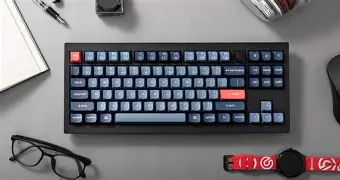
The Keychron Q12 He is not a typical office keyboard. It is a specialized piece of enthusiast-grade hardware that utilizes Hall Effect (He) magnetic switches. Unlike traditional mechanical switches that rely on physical metal contact to register a keypress, magnetic switches use sensors to detect the proximity of a magnet within the switch stem. This allows for adjustable actuation points, meaning the user can decide exactly how far they need to press a key before the computer registers it. For gamers, this can mean a hair-trigger response; for typists, it can mean a deeper, more intentional stroke that reduces accidental inputs.
The Q12 He is particularly notable for its "Southpaw" layout. This means the numeric keypad is located on the left side of the board rather than the right. For right-handed mouse users, this is a significant ergonomic victory. It allows the mouse to be positioned closer to the center of the body, reducing shoulder strain while still providing the full utility of a numpad for data entry or macro mapping. The build quality is industrial, featuring a full CNC-machined aluminum body that is heavy enough to act as an anchor on any desk. It is a tool built for those who spend eight to twelve hours a day with their fingers on a keyboard and demand a tactile experience that is both consistent and customizable.
Technical Deep Dive: Hall Effect Switches and Customization
The core appeal of the Q12 He lies in its Gateron 2.0 magnetic switches. These switches offer a linear feel—smooth from top to bottom—but their "intelligence" is handled via the Keychron Launcher web-based software. Users can set the actuation point anywhere from a shallow 0.1mm to a deep 4.0mm. Furthermore, the "Rapid Trigger" feature allows a key to reset the instant it begins to move upward, rather than needing to pass a fixed reset point. This is a game-changer for competitive gaming and fast-paced editing tasks where rapid, repetitive inputs are required. Beyond the switches, the Q12 He supports 2.4GHz wireless, Bluetooth 5.1, and wired USB-C connections, making it compatible with virtually any workflow.
Analyzing the HP Pavilion 16: The Modern Workhorse
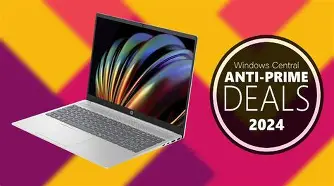
On the other side of the spec battle is the HP Pavilion 16. The Pavilion line has long been the "Goldilocks" of the HP family—sitting comfortably between the budget-friendly Stream models and the premium Spectre or Envy series. The 16-inch model represents a modern shift toward larger vertical screen real estate, often utilizing a 16:10 aspect ratio that is far superior for reading documents and browsing the web than the old 16:9 standard. When someone considers upgrading to a Pavilion 16, they are usually looking for a "do-it-all" machine that can handle Zoom calls, heavy Excel sheets, light photo editing, and content consumption.
The Pavilion 16 typically comes equipped with the latest Intel Core or AMD Ryzen processors, paired with integrated or entry-level discrete graphics. It is designed to be sleek but functional, often featuring a recycled aluminum and plastic chassis that balances weight with durability. It is a system designed for a three-to-five-year lifecycle, providing the mobility that a desktop peripheral like the Keychron cannot. For the student or the remote professional, the Pavilion 16 is the "center of the universe," whereas the Keychron is a high-end satellite designed to orbit a computer.
Specs That Matter: Display and Processing Power
The standout feature of the Pavilion 16 is its display. Moving to a 16-inch panel provides a significant boost in productivity over 13-inch or 14-inch alternatives. The extra vertical space means less scrolling and better side-by-side window management. Internally, the move to current-gen silicon ensures that the laptop stays snappy under the weight of modern web browsers, which have become notorious memory hogs. Additionally, the inclusion of a full-size keyboard (with a standard right-side numpad) and a large precision touchpad makes it a competent standalone device. However, compared to the Keychron, the keyboard on the Pavilion is a membrane-based system with limited travel and a flat tactile response—functional for coffee shop work, but hardly a joy for enthusiasts.
Direct Comparison of Specifications
To better understand the differences between these two paths, we can look at the core specifications that define their performance in a workspace.
Shop the latest Laptops & Computers picks on Amazon.
Browse Now →| Feature | Keychron Q12 He | HP Pavilion 16 (Current Gen) |
|---|---|---|
| Device Type | Magnetic Mechanical Keyboard | 16-inch Windows Laptop |
| Primary Material | Full CNC Machined Aluminum | Aluminum / Plastic Composite |
| Input Method | Gateron Magnetic He Switches | Membrane Chiclet Keyboard / Touchpad |
| Connectivity | 2.4GHz / Bluetooth / Wired | Wi-Fi 6E / Bluetooth 5.3 / USB-C / HDMI |
| Customization | Actuation, Rapid Trigger, Keymaps | Internal Storage/RAM (Limited) |
| Weight | Approx. 2200g (Heavy) | Approx. 1800g - 1900g (Portable) |
| Lifespan | 10+ years (Swappable parts) | 3-5 years (Technology obsolescence) |
Pros and Cons: Weighing Your Options
Every upgrade comes with trade-offs. The Keychron offers unparalleled tactile longevity but ties you to a desk. The HP Pavilion offers a complete computing environment but will eventually slow down as software demands increase. Here is a breakdown of what to expect from each.
Keychron Q12 He
- Superior Ergonomics: The Southpaw layout allows for a more natural arm span when using a mouse, reducing long-term repetitive strain injuries.
- Infinite Customizability: Users can change the weight of the switches, the keycaps, and even the internal foam layers to achieve a specific sound and feel.
- Hall Effect Precision: The ability to set custom actuation points is a professional-grade feature that standard keyboards simply cannot match.
- Build Quality: The heavy aluminum frame prevents the keyboard from sliding and provides a premium, "desk centerpiece" aesthetic.
- Compatibility: Fully compatible with Mac, Windows, and Linux right out of the box with dedicated toggle switches.
- Cons: Extremely heavy and not suitable for travel; requires a separate device to function; high learning curve for software customization.
HP Pavilion 16
- All-in-One Solution: You get a screen, processor, battery, and input devices in a single package.
- Portability: While large for a laptop, it is still light enough to fit in a backpack for commuting or travel.
- Modern I/O: Includes HDMI and USB-C ports with Power Delivery, making it easy to connect to external monitors or chargers.
- Value for Money: For those without a working computer, this provides 100% of the necessary hardware for a digital life.
- Cons: Non-mechanical keyboard can feel fatigue-inducing during long writing sessions; plastic components may show wear after a few years; integrated graphics limit high-end gaming.
Real-World Use Cases: Which Upgrade Fits Your Life?
To determine if it is "worth upgrading," we must look at how these devices function in specific scenarios. Hardware does not exist in a vacuum; it exists to solve problems. Let's look at three typical buyers.
The "Desk-Bound" Power User
Imagine a data scientist or an accountant who spend their entire day at a dedicated home office. They already have a decent laptop or desktop PC that is only two years old. For this user, the HP Pavilion 16 might be a horizontal move rather than a vertical upgrade. However, the Keychron Q12 He represents a massive leap in quality of life. The Southpaw numpad allows them to crunch numbers with their left hand while navigating spreadsheets with their right. The magnetic switches can be set to a high actuation force to prevent typos in financial data. In this case, the keyboard is the better upgrade.
The "Café-Hopping" Freelancer
Consider a graphic designer or a writer who works from coffee shops, libraries, and co-working spaces. This user needs mobility and a reliable screen. Carrying a 5-pound aluminum keyboard and a separate laptop is a logistical nightmare. For them, the HP Pavilion 16 is the clear choice. The 16-inch screen provides enough space to work without an external monitor, and the modern battery life ensures they can work for hours without hunting for an outlet. The upgrade is "worth it" because it directly enables their mobile lifestyle.
The Competitive Gamer
For someone who plays fast-paced titles like Counter-Strike or Valorant, the Hall Effect technology in the Keychron Q12 He is an almost unfair advantage. The Rapid Trigger functionality allows for "counter-strafing" with a precision that standard mechanical or membrane keyboards cannot achieve. Even if they are playing on an older laptop, the input latency reduction from the Q12 He might improve their performance more than an extra 20 frames per second from a newer Pavilion laptop would. This highlights the "precision tool" aspect of high-end peripherals.
Buying Guide: Determining Your Priority
When you are standing at the crossroads of a hardware purchase, ask yourself these three questions to clarify your intent.
1. Where is the friction in your current setup?
If your computer freezes when you open 20 Chrome tabs, you have a systemic bottleneck. No keyboard in the world will make your computer faster. You need the HP Pavilion 16's updated processor and RAM. However, if your computer is fast but your wrists hurt, or you find yourself making constant typos because your keys feel "mushy," you have an interface bottleneck. The Keychron Q12 He is the solution to that specific pain point.
2. How often do you travel?
The Keychron Q12 He is a heavy, stationary object. If you move your workspace more than once a week, it will likely become an annoyance. The HP Pavilion 16 is designed for portability. Even if you only use it at home, the ability to take it to the couch or a dining table is a flexibility that the Keychron-only upgrade doesn't provide.
Shop the latest Laptops & Computers picks on Amazon.
Browse Now →3. What is your long-term vision for your hardware?
A laptop like the Pavilion 16 is a depreciating asset that will be outdated in five years. A keyboard like the Q12 He is an "eternal" peripheral. Because the switches are hot-swappable and the body is made of solid metal, you can keep the Q12 He for ten or fifteen years, moving it from one computer to the next. If you want an upgrade that lasts a lifetime, go with the keyboard. If you want an upgrade that modernizes your entire experience for the next few years, go with the laptop.
Advanced Hardware Considerations: Thermal Management vs. Acoustic Profile
It is also worth noting the secondary characteristics that buyers often overlook until they have the product in hand. In the case of the HP Pavilion 16, thermal management is key. A 16-inch chassis allows for better airflow than a 13-inch model, meaning the Pavilion can maintain its "boost" clock speeds for longer without the fans becoming distractingly loud. This makes it a pleasant companion for long rendering tasks or video calls.
In the case of the Keychron Q12 He, the acoustic profile is the hidden "spec." Mechanical keyboard enthusiasts value the "thock" or "clack" of a keyboard. Keychron has spent considerable time on the internal dampening of the Q12 series, using multiple layers of acoustic foam and a gasket-mount design to ensure that the keyboard sounds as premium as it feels. Typing on it is a multi-sensory experience that can actually make the act of writing or coding more psychologically rewarding. This "feel-good" factor is hard to quantify on a spec sheet, but it is a primary reason why people choose to upgrade to an enthusiast-grade board.
Conclusion
Is it worth upgrading? The answer depends entirely on your current foundation. The Keychron Q12 He is an elite peripheral for those who have already solved the "computer problem" and now want to master the "input problem." Its Hall Effect technology and Southpaw layout offer a level of precision and ergonomic comfort that is simply unavailable in the laptop world. It is the definitive choice for professionals who value tactile feedback and long-term durability over mobility.
Conversely, the HP Pavilion 16 is the logical upgrade for someone whose current system is showing its age. It offers a massive, beautiful screen and a modern computing architecture that can handle the breadth of today's digital tasks. While its keyboard won't win any enthusiast awards, it provides a stable, portable, and efficient platform for a wide variety of users. If you are starting from scratch or replacing a failing machine, the laptop is the primary investment you must make.
Ultimately, the "Spec Battle" between these two shows that the modern workspace is no longer just about the CPU. It is about how we interact with our data. Whether you choose the magnetic precision of the Keychron or the versatile screen real estate of the HP Pavilion, both devices represent a commitment to a better, more efficient digital experience. Assess your needs, check your budget, and choose the tool that will best support your specific daily rhythm.
See Amazon's Best Laptops & Computers Picks
Curated selection of the highest-rated and best-value options.
Shop on Amazon →